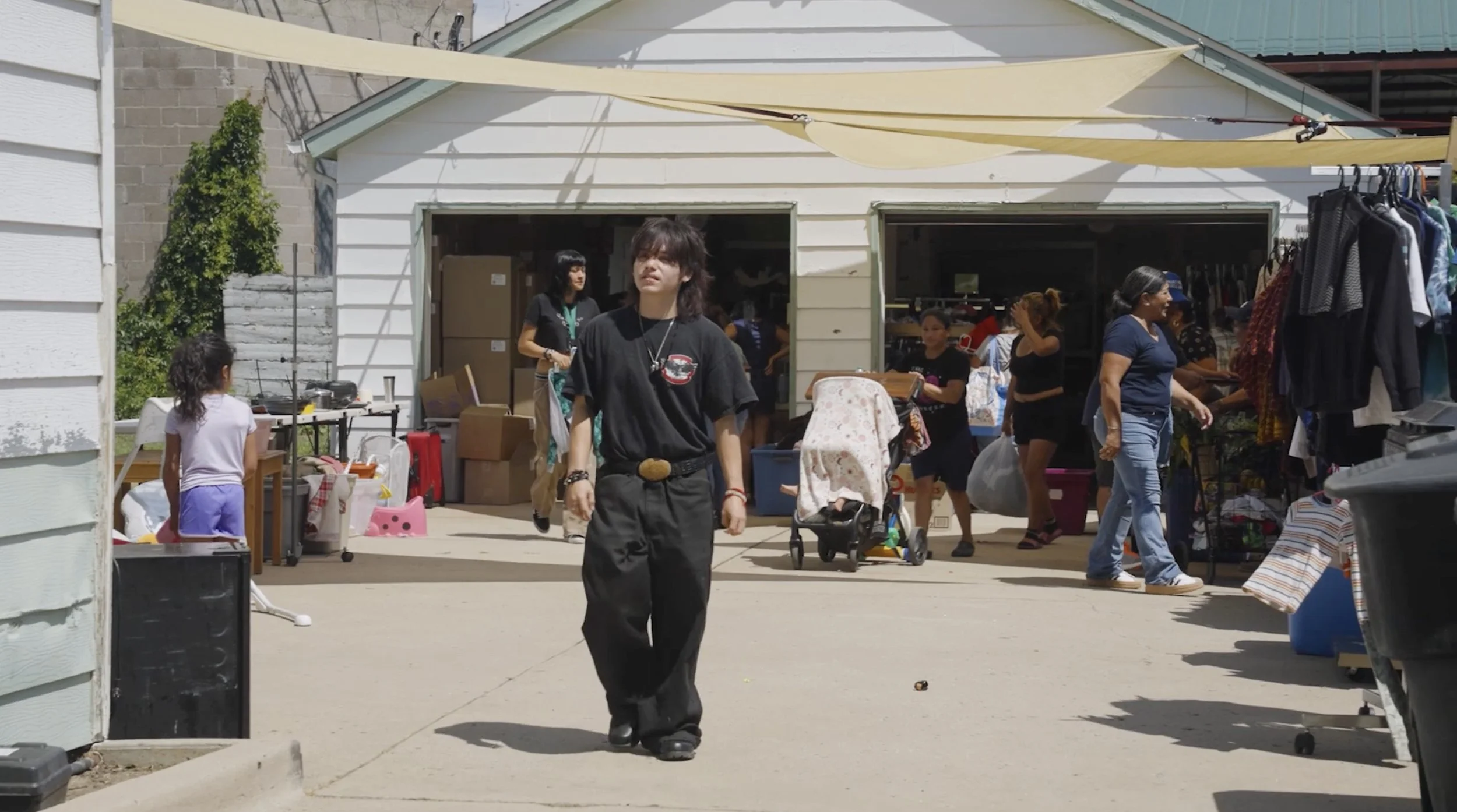
Walk through any neighborhood and you’ll find children being cared for by someone they love: a grandmother, an aunt, a next-door neighbor, a friend down the hall. There’s a term for these caregivers—Friends, Family, and Neighbors, or FFNs—and Lifespan Local’s Paulina Erices doesn’t hesitate about where they stand in the southwest Denver community. “FFNs are the heart of our community,” she says.
Paulina, who formerly directed Lifespan Local’s Alma Project for Maternal Mental Health, is now developing an FFN program within it. The need is large. According to her research, more than 60 percent of Colorado children are cared for by a relative, friend, or neighbor, yet people often describe the region as a childcare desert. “We have an abundance of care for children,” Paulina says, “but it’s care that’s invisible to people and undervalued. It needs to be recognized.”
“FFNs are the heart of our community.”
Recognition is the first step. Many caregivers don’t think of themselves as providers at all. “They think of themselves as grandma taking care of children,” Paulina explains. “The current systems haven’t taken them seriously. And they do very important work. With recognition, the caregivers understand how valuable they are. And there’s nothing more beautiful than seeing someone look in the mirror and see the person they want to see, and realize the impact they have in their community and the families they serve,” she says.
Naming the role can be powerful, and so can providing these caregivers with educational pathways, practical resources, and emotional support. Paulina shares that many FFNs want to build careers as early childhood educators, others hope to work in a childcare center, and some imagine forming a cooperative with other women to share resources. Many are also stretched thin, covering diapers and food for children without compensation.
The FFN program being developed at El Alma Colectiva—a new collaborative campus being designed to support maternal mental health and wellness in its many forms—wants to meet caregivers where they are. Like everything at Lifespan Local, the approach is local by design. The team is starting with a review of research from Colorado and across the country, and Paulina is actively planning interviews with FFNs in the community. The model works with people to design the solutions that work for them.
“We want our kids to be cared for with love, with tradition, with respect, to be honored every single day in their journey as learners and as little human beings developing,” she says. “That starts with their caregivers.” Paulina also has a message for the community: they don’t yet know exactly what the program will look like, but they know that Lifespan Local’s commitment to creating it is unfailing. “We’re going to be here. We’re going to be present. And we’re going to be doing the work that matters.”